
Two Different Roads to Renewal
Retinol has been a staple in dermatology for decades. It is well studied, widely trusted, and often recommended to smooth texture and improve visible aging. But the way it works is very specific: it pushes the skin to renew by creating controlled stress.
As research has shifted toward biotechnology, another molecule has stepped forward with a different approach.
That molecule is PDRN (Polydeoxyribonucleotide).
Instead of pushing the skin, PDRN supports it. And that distinction matters more than most people realize.
What PDRN Actually Is
PDRN is made from purified DNA fragments, traditionally sourced from salmon. These fragments act as nucleotides the same building blocks your own cells use to repair and regenerate.
It first gained recognition in wound-healing and post-procedure medicine, where its ability to support tissue comfort, elasticity, and overall recovery became very clear. From there, it moved into aesthetic and cosmetic science because its signaling pathways translate beautifully into everyday skin health.
PDRN works on a communication level, helping the skin maintain hydration, balance, and repair without the irritation that often comes with more aggressive renewal strategies.
Why Molecular Weight Matters
All PDRN is not the same. The size of the DNA fragments determines how well they interact with the skin.
• Medical injectables often use 350–500 kDa, designed for deeper targeted regeneration.
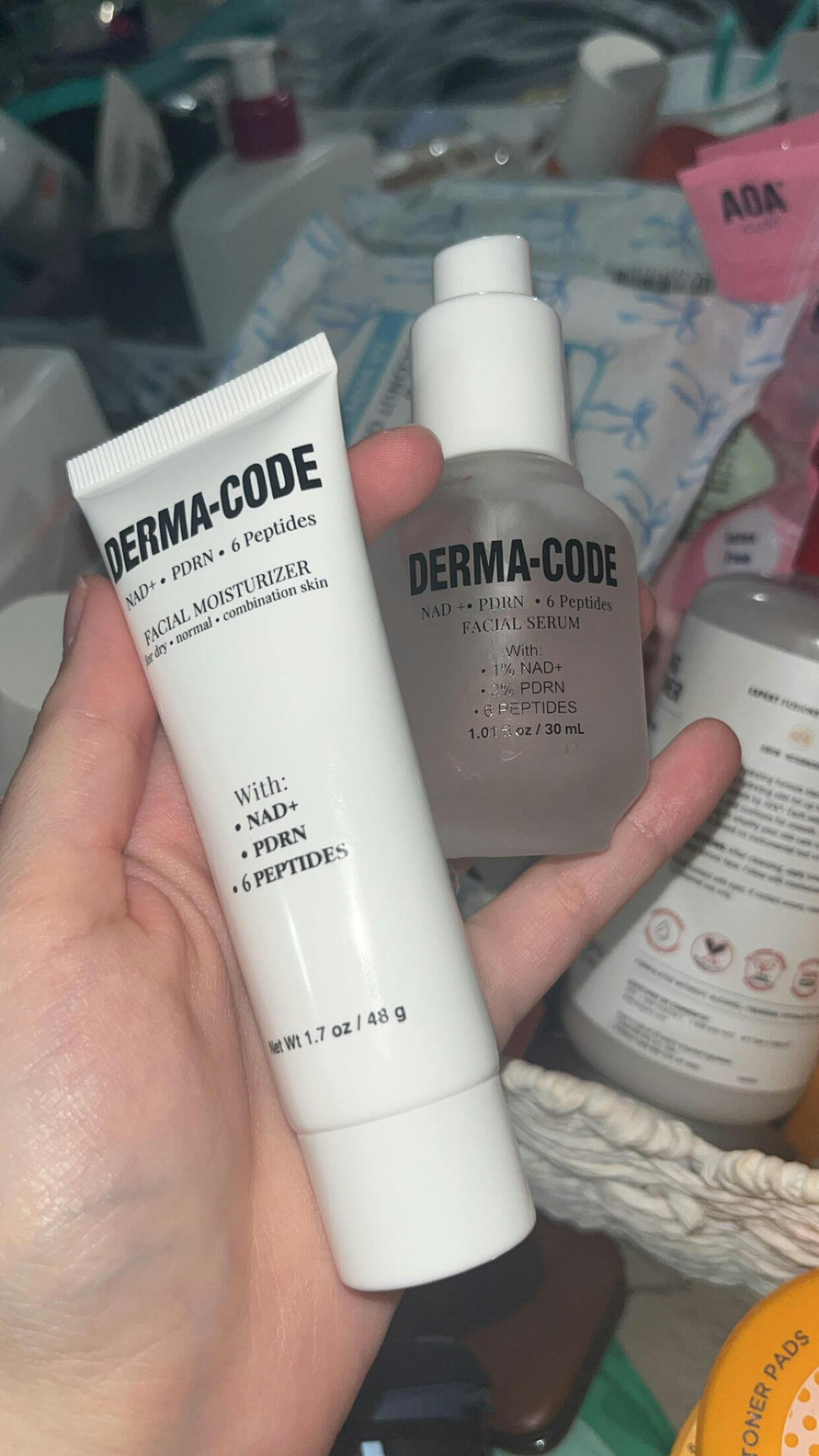
• DERMA-CODE™ uses a refined 50–300 kDa range, specifically chosen for topical use.
This size maintains structural integrity while allowing meaningful surface interaction. It supports smoother texture and hydration while staying gentle enough for daily use.
Retinol: Effective but Irritation-Driven
Retinol remains one of the most effective topical tools for visible skin renewal. It boosts exfoliation and increases collagen over time.
But the mechanism behind those results is irritation-based.
Short-term, retinol can improve:
• overall smoothness
• visible firmness
• brightness
Long-term or frequent use can create challenges:
• chronic dryness
• sensitivity and redness
• a weakened barrier
• rebound dullness if discontinued
• difficulty with consistent use for reactive skin types
Many people cycle through periods of progress followed by irritation what some call “retinol fatigue.”
PDRN: A Regenerative Approach Instead of a Reactive One
PDRN does not create controlled inflammation.
It works by supporting the pathways your skin is already using.
Through nucleotide signaling, PDRN helps maintain the environment fibroblasts need to function well fibroblasts being the cells that produce collagen and elastin. It supports natural repair processes, especially in skin exposed to stress, procedures, or environmental damage.
Short-term, PDRN helps with:
• comfort
• hydration
• balanced texture
Long-term, it supports:
• resilience
• elasticity
• smoother, more even-looking skin
• visible health without irritation
Limitations (kept transparent):
• results are gradual, not overnight
• requires consistency
• needs proper stabilization to stay active
Even with these, PDRN stands out because it focuses on cellular health rather than chemical stimulation.
Where the Tri-Active System Comes In
Our Tri-Active System was designed to protect PDRN, NAD+, and peptides in one shared environment.
These ingredients are sensitive on their own especially PDRN and NAD+, which both degrade easily with pH shifts or oxidation.
The system keeps them stable and active while allowing them to complement each other rather than compete.
Together, they support:
• visible renewal
• long-term moisture balance
• barrier comfort
• smoother texture
All without the resurfacing or irritation associated with more aggressive ingredients.
A Philosophical Shift in Skincare
The difference between retinol and PDRN is not just about molecules.
It is about intention.
• Retinol stresses the skin to create change.
• PDRN supports the skin to create change.
This shift mirrors a larger movement in dermatology toward regenerative science toward ingredients that work with the skin instead of pushing against it.
At DERMA-CODE™, PDRN represents a core part of that direction. Through the Tri-Active System, it works in harmony with NAD+ and peptides to support renewal in a way that respects biology and long-term skin health.
Final Thought
Retinol will always have its place. But biotechnology offers a path that feels more aligned with the skin’s natural behavior gentle, intelligent, and steady.
As PDRN reshaped how we think about renewal, NAD+ reshaped how we think about repair and energy.
You can explore that next.
Discover how NAD+ goes beyond niacinamide to support cellular balance and recovery.
We earn trust through results, not promises.
0 comments