
DERMA-CODE™ Science — Clinical Methodology
"Clinically Proven" Doesn't Mean What Most People Think It Means
There is a phrase on almost every skincare product that sounds definitive and means far less than most people assume.
Clinically proven.
It appears on serums that cost fifteen dollars and serums that cost three hundred. It appears on products tested on eight people for two weeks and products that went through a year of independent evaluation. It appears on finished formulas and on ingredients that were tested in isolation years before your product existed.
The problem is not that brands are lying. Most are not. The problem is that "clinically proven" has no regulated definition in cosmetics. It is not a standard. It is a marketing term that points toward science without specifying what kind, conducted by whom, on what, and under what conditions.
Understanding the difference matters not to create fear, but because it changes how you evaluate what you are actually buying.
The Most Important Distinction Nobody Talks About
When a brand says an ingredient is clinically proven, they are almost always referring to research conducted on that ingredient in isolation typically by the raw material supplier who sells it to brands.
That research may be legitimate. The ingredient may genuinely do what the studies show.
But here is what that research does not tell you: how that ingredient behaves inside the specific formula you are holding. Whether it remains stable. Whether it survives the pH of the base it was mixed into. Whether it is present at a concentration that matches what was studied. Whether the other ingredients around it support or interfere with its function.
As one cosmetic chemist and adjunct professor of cosmetic science explained in Fashionista (2023): ingredient-level testing evaluates a single active in isolation. It does not always reflect how that ingredient performs once formulated with others.[1]
Those are two completely different things, and the label treats them as one.
The Three Tiers of Evidence Most Brands Don't Explain
Not all clinical evidence is equal. Here is what the tiers actually look like.
Many brands rely on tier one or tier two evidence while consumers often assume they are looking at tier three.
What Rigorous Finished-Product Testing Actually Involves
A legitimate instrumental clinical study on a finished cosmetic product is not a simple process.
It begins before a single participant is enrolled. An independent ethics body called a Research Ethics Board or Institutional Review Board reviews the study design, participant protections, and methodology to confirm they meet scientific and ethical standards. This review happens before any testing begins.
Once approved, volunteers are enrolled with documented baseline measurements taken at the start what researchers call T0. Follow-up measurements are taken at defined timepoints throughout the study so changes can be tracked objectively over time.
The instruments used are what separate real measurement from opinion. The Corneometer measures skin hydration objectively, producing a number rather than a feeling. The Tewameter measures transepidermal water loss how much water is escaping through the skin as a direct marker of barrier function. The Chromameter measures visible redness and skin color parameters without relying on a clinician's eye. Imaging systems like the Visioscan capture surface texture and roughness in quantifiable detail.
Beyond the instruments, a blinded dermatologist conducts independent clinical assessments meaning the clinician evaluating skin does not know which participants used which product. Endpoints are defined before data collection begins, so results cannot be shaped around a desired outcome after the fact. A formal statistical analysis plan governs how the data is interpreted.
And the entire study is conducted by a third party with no financial stake in the outcome.
That is what separates a clinical study from a brand-funded perception survey with a compelling number on the label.
Why This Matters When You Are Choosing Products
None of this means a product without instrumental clinical testing is ineffective. Ingredient science is real. A well-formulated product with strong raw material research behind its actives can absolutely perform. As noted in Fashionista, not all products need clinical testing to have trustworthy claims and a self-funded brand may choose to invest its resources in formulation quality rather than formal studies.[1]
What it means is that the claim "clinically proven" tells you almost nothing about the finished product in your hand without knowing what was tested, how it was tested, who conducted the testing, and whether the testing was done on the ingredient or the formula.
The questions worth asking are simple.
- Was the clinical evidence generated on the finished product or on an isolated ingredient?
- Was it instrumental measurement or consumer perception?
- Was it conducted by an independent third party or funded and managed by the brand?
- Were the results made publicly available or kept internal?
Brands that can answer those questions transparently are telling you something real. Brands that cannot or will not are asking you to extend trust without giving you the basis for it.
That distinction is worth understanding before you spend your money.
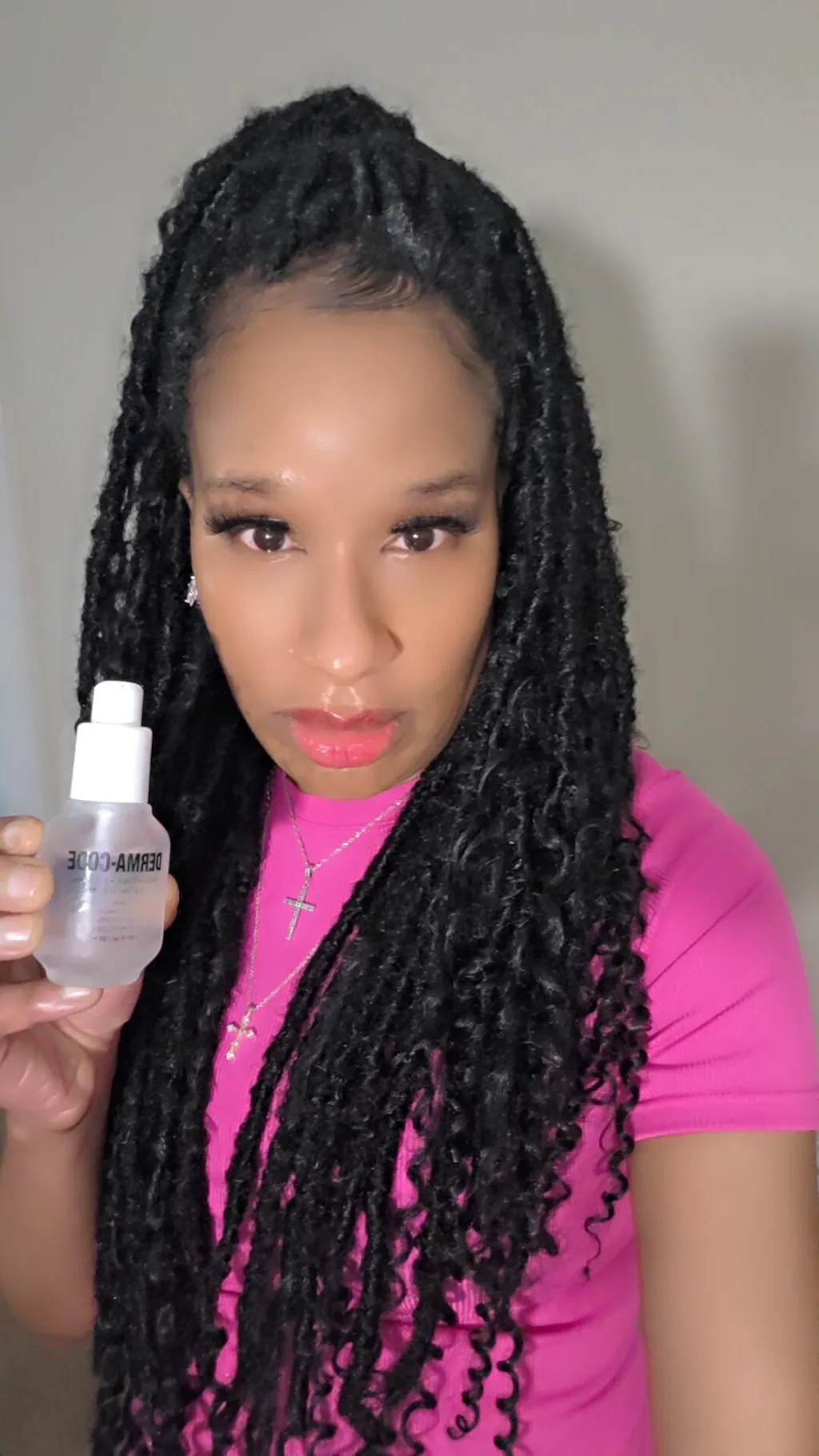
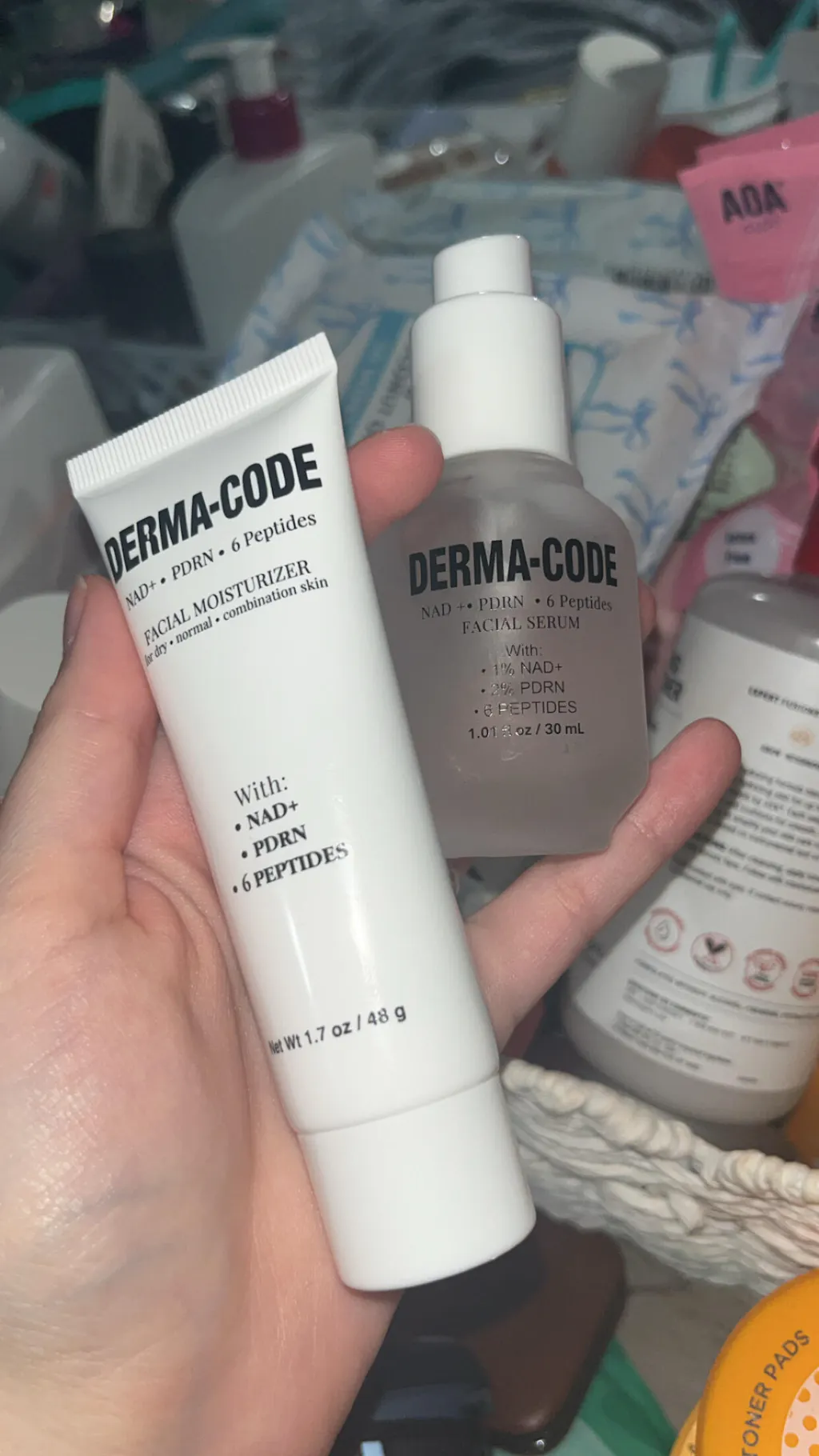
The products evaluated in this study are the DERMA-CODE™ Pulse Serum and Locked-In Moisturizer.
References
[1] Fashionista. What Beauty Product Testing Claims Really Mean. April 2023.
https://fashionista.com/2023/04/clinical-vs-consumer-testing-skin-care
[2] BeautyMatter. The Evolution of Consumer and Clinical Testing. September 2024.
https://beautymatter.com/articles/the-evolution-of-consumer-and-clinical-testing
[3] Citrus Labs. Clinical Trials vs Consumer Perception Studies. July 2023.
https://www.citruslabs.com/post/clinical-trials-vs-consumer-perception-studies
[4] NAYA. What Clinically Proven Means in Skincare. March 2026.
https://nayaglow.com/blogs/news/clinically-proven-skincare-meaning
0 comments